Virtual Card or Physical Card: Which One for Your Online Payments?
For a purchase made online, a virtual card protects your account better than a physical card, because it exposes a separate number rather than the one printed on your card. The physical card keeps its value in shops, at cash machines and anywhere you hand over a real object. The two are not rivals; they cover different places. What matters is knowing which one to reach for. This guide compares their uses, from the e-commerce basket to the monthly subscription, so every payment leaves with the right tool and the right level of protection.
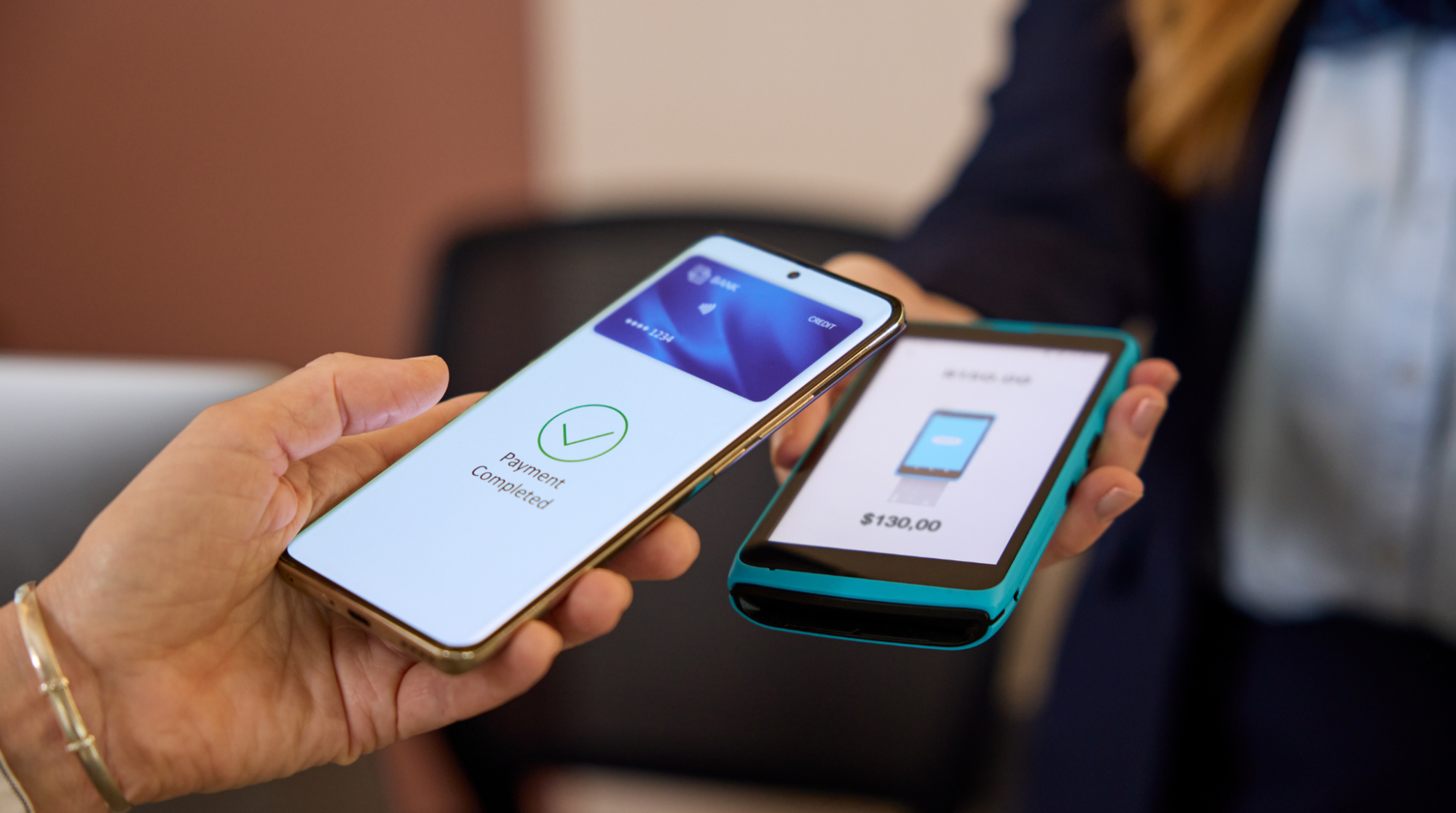
Two supports, two different jobs
A physical card is a plastic object you insert into a reader or tap on a terminal. A virtual card exists only as data: a number, an expiry date and a security code generated inside your app. You can create a dedicated virtual card for one specific site, then set it aside once the order goes through. The support never leaves your phone, yet it still pays.
The idea fits in a sentence. The number you give the merchant is not the one that controls all your funds. If that number leaks during an incident on the merchant's side, it gives no access to your main card. You keep the damage to a single channel, the one you opened on purpose, instead of exposing the front door to all your money.
The physical card works the other way round. A single number, printed on the plastic, serves everywhere you use it. That one number is convenient, but it travels with every online payment, from site to site, and you lose track of it. A virtual card restores that trail, since each number maps to one identified use.
Paying a merchant without exposing your main card
Picture a purchase on a shop you have never used, spotted one evening through an advert. The price looks fair, but the brand is unfamiliar and the site is brand new. This is exactly where a single-use number earns its place: you pay, the parcel arrives, and that number is never reused anywhere else. If it ever shows up in a resold database, it is already worthless.
This payment habit lines up with advice on improving the security of your online purchases. Separating the payment number from the rest of your money shrinks the attack surface. If a dispute arises, you also know precisely which merchant received which details, which makes follow-up and a chargeback far easier.
In practice, a few reflexes keep this separation working day to day:
- One number per unfamiliar merchant, rather than a single number used everywhere.
- A ceiling matched to the real amount of the purchase, no higher.
- A number paused as soon as the order is delivered and confirmed.
Subscriptions and free trials: staying in control of renewals
The thirty-day free trial that quietly turns into a monthly charge is a familiar trap. You try a streaming service, forget to cancel, and the debit lands on the thirty-first day. With a number dedicated to that subscription, you set the ceiling and turn off the tap whenever you want, without chasing a cancellation form that hides three menus deep.
That grip also helps against attempts to harvest your details. A compromised number has no effect on your other payments, which matches the logic behind protecting your payments from banking data theft. You stay in charge of what leaves and of what stops, without depending on the service's goodwill.
The same principle covers gaming platforms, mobile apps and sites that store the card for one-click checkout. You decide what each service can charge. The day you leave the platform, removing the number is enough, and no leftover debit can slip through.
What the printed numbers on a card actually reveal
The sixteen digits on a card are not random. They point to the network, the issuing institution and an identifier tied to your card, closed by a check digit. Understanding what the numbers on your card mean helps explain why a virtual number, cut off from your physical card, protects what counts even as it travels across a poorly secured site.
A serious merchant tells you the full price, the delivery times and your options to withdraw. Those duties are part of your rights as a shopper in the EU, whether you pay with a real card or a generated number. The payment method does not change the rule; it only changes your exposure when something goes wrong.
Holding that distinction in mind changes how you shop. You stop seeing the card as one single block and start treating it as a set of channels, opened and closed as you need them. It is a small change of habit, with a direct effect on your peace of mind.
When the physical card is still the right reflex
At the supermarket, the bakery or the toll booth, the physical card does the job. Contactless or a quick insert into the terminal remain the simplest gestures for everyday offline spending. It also serves for cash withdrawals and for shops that only accept a physical card, such as some markets or small traders.
Take a hotel stay. You book the room from home with a virtual number, then settle the extras at the desk with the physical card. The same account follows both moves, with no juggling between separate banks. The place of payment, more than its nature, guides the right reflex when you reach for something to pay with.
So the right call is not to pick a side. You keep the virtual number for remote payments, above all on one-off sites, and you keep the physical card for the real world. One account, two doors, each suited to its setting. The question is never which one is better, but which one fits the moment you pay.
Frequently asked questions
Is a virtual card really safer for paying online?
It lowers your exposure, because the number sent to the site is not the one on your main card. If the merchant suffers a leak, only that dedicated number is affected, and you can block it without touching the rest. It is not an absolute guarantee, but a useful separation against the most common incidents.
Can I use a virtual card for all my purchases?
For remote payments, yes, as long as the site accepts a card from the network. In a physical shop the card stays more practical, unless your phone adds the card to a mobile wallet. Each channel has its most convenient support, and nothing forces you to settle the matter once and for all.
What should I do if a virtual number is compromised?
You block it from your app and generate another one for future purchases. Your other payments are untouched, since they run through different numbers. Then report the incident to the merchant so they can handle the leak on their end, and keep an eye on your statements over the following days for any charge you do not recognise.
Similar articles

Getting Your Salary Without a Traditional Bank Account: How a Dedicated Account Number Works

Which bank card to choose when you are retired?
Contact Us

Service & Support by
real humans, not bots
The information provided on this blog is presented for informational purposes only and has no contractual or legal value. Although we strive to ensure the accuracy, completeness and updating of the published content, it may contain errors, omissions or inaccuracies. Carte Veritas and the authors of the articles cannot be held responsible for decisions or actions taken based on the information contained in this blog. Any use of this information is made at your own risk and under your sole responsibility. We encourage you to consult a qualified professional or an expert for any important question or decision relating to the subjects discussed. In addition, the information presented on this site may be modified or updated without notice. By visiting this blog, you agree that Carte Veritas and its partners are released from any liability concerning losses, direct or indirect damages, or consequences arising from the use of the contents of this site, whether they are linked to errors, omissions or the interpretation of the information published.
 English
 Français
 Español
 Português
 Deutsch
 Nederlands
 Română
 Polski
 Italiano
 Suomi
Suomi
 Dansk
Dansk
 čeština
 Ελληνικά
 Svenska
 Nynorsk
 українська
 Pусский
 Latviešu
 Magyar
 Lietuvių