Veritas card and ANJ-licensed online gaming: managing a player's budget
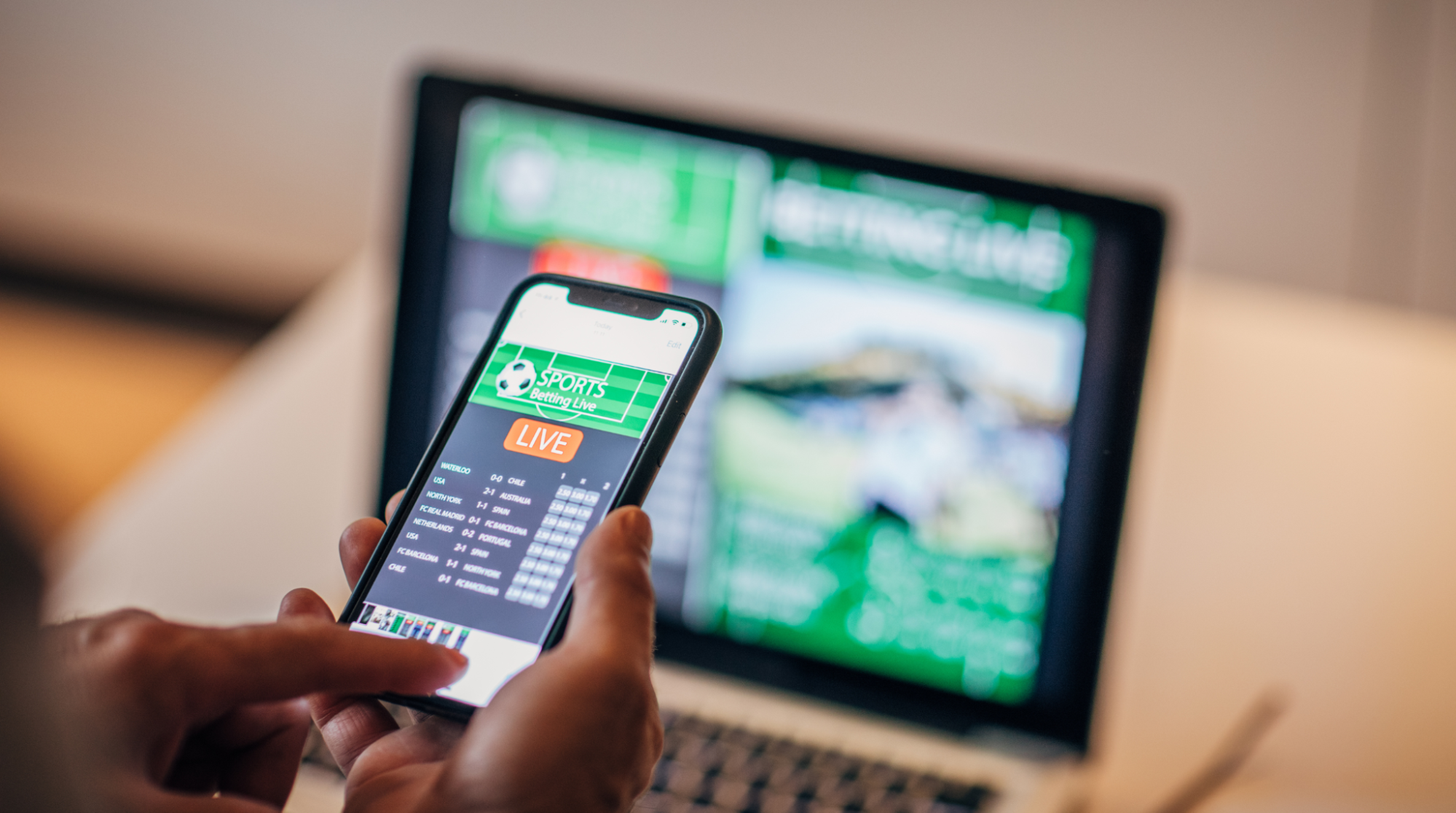
Legal online gaming in France operates within a strict framework supervised by the Autorité Nationale des Jeux (ANJ, France's national gaming authority). For the occasional player, structuring a budget often starts with a dedicated payment account. This article explains how the Veritas card fits into that responsible-gaming approach.
The legal framework for online gaming in France: what the ANJ oversees
Since Law no. 2010-476 of 12 May 2010, the French online gaming market has been opened to competition under regulatory supervision. The Autorité Nationale des Jeux issues licences, monitors operators and ensures player protection. Three categories of online gaming are legal in France: sports betting, horse-racing betting and online poker. Any other form of online gambling, including online casinos, remains prohibited for operators on French soil.
The ANJ also runs the self-exclusion programme, which allows a player to request inclusion on the register of banned gamblers for a minimum period of three years. The Joueurs Info Service helpline, 09 74 75 13 13, offers a free and confidential listening service to anyone affected by excessive gambling. Before signing up with any operator, players should check that the ANJ logo appears on the site and consult the public list of licensed operators.
Why a dedicated gaming payment account is good practice
Mixing day-to-day spending and gaming stakes on the same account makes any kind of budget tracking imprecise. Allocating a separate account to leisure gaming makes it possible to set a clear monthly envelope and to see, with no mental arithmetic required, the amount actually devoted to that activity. This accounting separation is one of the classic recommendations in responsible-gaming guidance.
The prepaid card with systematic authorisation is built precisely for that ring-fencing need. The account is opened in the holder's name and subject to KYC obligations, and it operates strictly on the available balance. No transfer to a gaming operator can therefore exceed the amount previously loaded. On the page covering confidential uses, the issuer explicitly cites sports betting, poker, casino games and, more broadly, online gaming among the contexts for which this payment method is relevant.
For the occasional player, the benefit is twofold: avoiding the situation where an impulsive stake drains the main current account, and keeping a clear audit trail of transactions involving licensed operators.
Top-up cap and systematic authorisation: a built-in safeguard
Systematic authorisation means that every transaction is checked in real time against the available balance. If funds are insufficient, the payment is declined. The direct consequence: no overdraft is possible, and the official product sheet states "no overrun, no overdraft fees". This mechanism removes the risk of committing stakes greater than the available cash, one of the aggravating factors in the spiral of gambling-related debt.
The Classic offer provides for a maximum top-up of 6,700 euro per year, a maximum balance of 16,800 euro and an ATM withdrawal limit of 500 euro per transaction. These figures are not targets, they are upper limits. For an online gaming budget, the recommended practice is to set a monthly amount well below those caps, in line with disposable income after fixed expenses.
This architecture echoes the approach championed by the ANJ: prefer a payment instrument that materialises a limit over one that can be stretched through overdraft or revolving credit. Account security is further reinforced by 3D Secure authentication, enabled by default on online payments, which reduces fraud exposure during transactions with an operator.
Receiving winnings on the Veritas account: the role of the dedicated IBAN
On the inbound side, the official product sheet states that the payment instrument lets users "easily receive your income such as salaries, service commissions, online gaming winnings, and so on". Receiving winnings from an ANJ-licensed operator is therefore an intended use, provided those winnings come from an operator authorised in France.
To that end, opening the account includes a dedicated RIB and IBAN, at no extra cost or condition. The player simply passes that IBAN to their licensed operator, which credits the account when a withdrawal of winnings is requested. The time it takes for funds to arrive depends on the operator and the interbank circuit, not on the card itself.
Centralising inbound flows on this account has an educational benefit: the visible net balance reflects the reality of gaming activity over the period. If cumulative withdrawals stay durably below top-ups, the player has a numerical signal to adjust their behaviour, or even to stop the activity altogether. This traceability of winnings and stakes is consistent with the responsible-gaming approach promoted by the ANJ.
Mobile payments while travelling: optimising payments with the Veritas card
Being blacklisted by the Banque de France: how to get a bank account number and a Mastercard in 5 minutes
Similar articles

Which bank card to choose when you are retired?

How to send cash to a loved one in 2026?
Contact Us

Service & Support by
real humans, not bots
The information provided on this blog is presented for informational purposes only and has no contractual or legal value. Although we strive to ensure the accuracy, completeness and updating of the published content, it may contain errors, omissions or inaccuracies. Carte Veritas and the authors of the articles cannot be held responsible for decisions or actions taken based on the information contained in this blog. Any use of this information is made at your own risk and under your sole responsibility. We encourage you to consult a qualified professional or an expert for any important question or decision relating to the subjects discussed. In addition, the information presented on this site may be modified or updated without notice. By visiting this blog, you agree that Carte Veritas and its partners are released from any liability concerning losses, direct or indirect damages, or consequences arising from the use of the contents of this site, whether they are linked to errors, omissions or the interpretation of the information published.
 English
 Français
 Español
 Português
 Deutsch
 Nederlands
 Română
 Polski
 Italiano
 Suomi
Suomi
 Dansk
Dansk
 čeština
 Ελληνικά
 Svenska
 Nynorsk
 українська
 Pусский
 Latviešu
 Magyar
 Lietuvių